%201.svg)


Everything You Need to Know Before Installing a New HVAC System
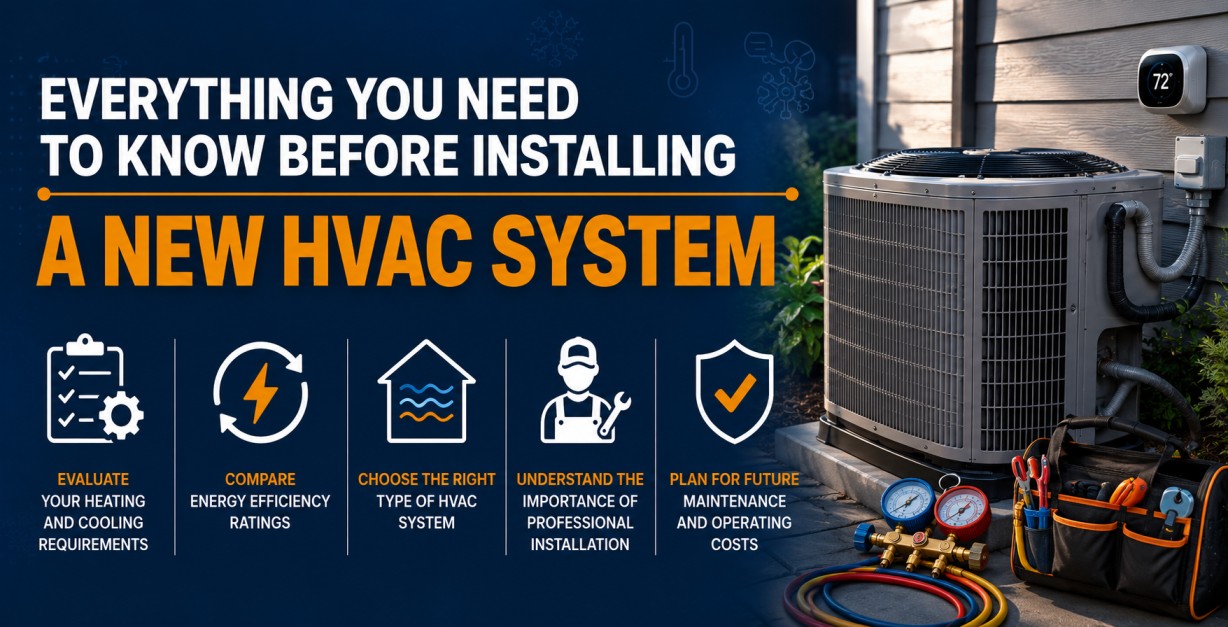
Installing a brand new HVAC unit is an important thing to do for your home, as this type of setup will provide greater comfort indoors, ensure proper energy efficiency, and allow you to always breathe clean air. However, it's important to keep in mind that choosing and installing the right system takes more than merely replacing the old unit with the new one. In this regard, factors like the size of your property, energy ratings, the quality, and maintenance services have a huge impact on the efficiency and duration of an HVAC system's stay in your home. Therefore, it is crucial to understand all the key aspects of selecting the right residential HVAC system before installing it, and avoid contingencies and unnecessary payments.
Evaluate Your Heating and Cooling Requirements
When you decide to pick a new HVAC system, you need to assess the distinct heating and cooling requirements of your property before making any decision. Every home requires specific specifications based on its size, level of insulation, windows, ceiling height, and climatic conditions. If you pick a space that is too large or too small for installing a new HVAC system, you will face many inconveniences, you might encounter problems with heating and cooling processes inside your home, and high bills because of installing such a system that is too big or too small, and rapid wearing of the residential HVAC system. That is why carrying out a professional load calculation will ensure that the correct size of the HVAC system is installed in your home for its proper functioning.
Compare Energy Efficiency Ratings
When looking for a new HVAC system, the priority must always be given to the energy efficiency of the appliances used. It is because energy-efficient systems will help to save money on utility bills. The old systems had lower efficiency compared to the modern HVAC systems that have evolved and improved in efficiency with the use of modern technology. You should ensure that you check on their efficiency ratings in terms of SEER, EER, and AFUE ratings, depending on the type of system you choose. Though effective systems may require more upfront investment, they will pay you back over the long run in terms of operational costs and utility bills.
Choose the Right Type of HVAC System
The market now has numerous systems for buyers to choose from. Traditional split HVAC designs are still popular and best for individuals seeking to replace their old HVAC system or those with an existing ductwork in their home. On the other hand, the ductless mini-split system has been receiving preference from people who wish to install HVAC systems in their additions or buildings without ductwork. The heat pump is also becoming famous as it offers dual functions of both heating and cooling in the same system.
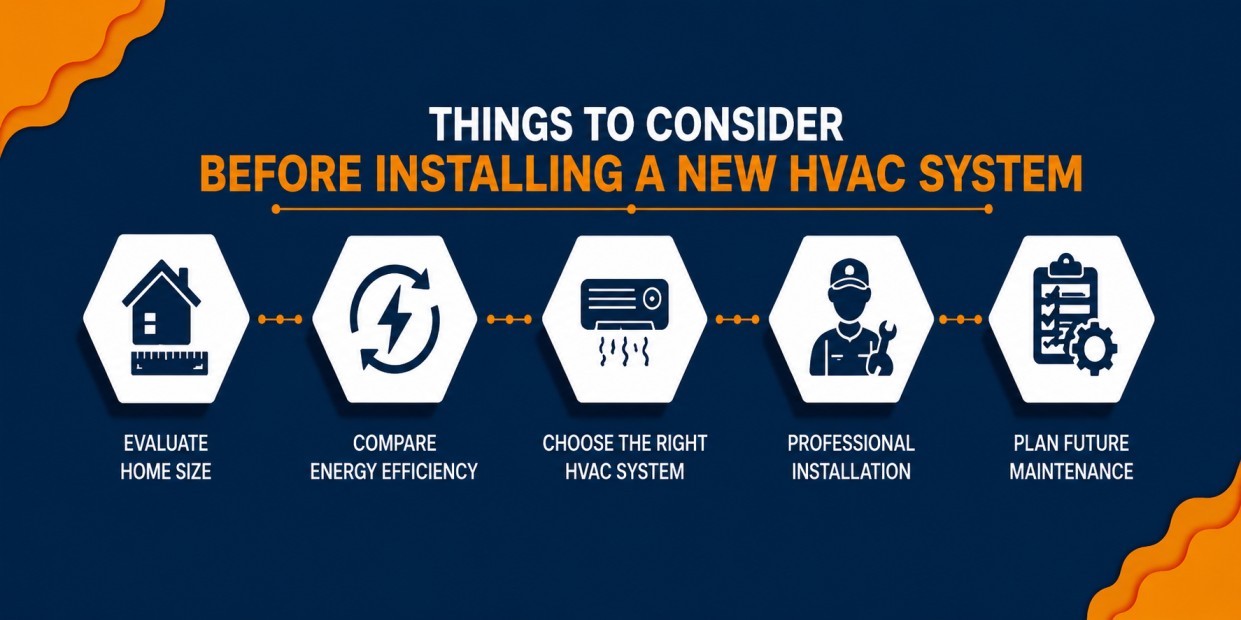
Understand the Importance of Professional Installation
Even the best HVAC equipment will not be able to deliver good service if installed incorrectly. Incorrect levels of refrigerant, wrongly sealed ductwork, wrong airflow, or defective wiring could decrease the efficiency of the equipment, raise energy costs, and shorten service life. When hiring experienced residential HVAC professionals, the owner can be assured of proper adherence to the installation procedure for all local building rules and regulations, as well as the instructions provided with the equipment. Professional installers will also be responsible for checking all equipment after installation for the proper functioning of the system.
Plan for Future Maintenance and Operating Costs
Installing a new HVAC system for a home is the first step to ensuring your investment is safe. Routine maintenance is crucial to keep the equipment efficient, extend its service life, and sidestep unforeseen breakdowns. Homeowners must plan routine inspection, cleaning of the filter and coils, checking the system condition on a seasonal basis, and complete service of the HVAC system. It is advisable to apply for preventive HVAC maintenance service to avoid costly repairs due to system defects.
FAQs
How much is an HVAC system for a house?
Typically, the prices for HVAC Home Systems vary from $5,000 to $12,000 and can depend on factors such as home size, type of system, energy efficiency, and installation needs. Additional installation and duct requirements may raise the total price.
What is the 20 rule for HVAC?
The 20 rule indicates that HVAC systems can keep the indoor air temperature 20 degrees Fahrenheit (approximately 11 degrees Celsius) lower than the outdoor air temperature in extreme hot weather.
What is the $5,000 rule for HVAC?
It is designed to help people understand whether they should fix or replace their HVAC system. All one needs to do is multiply the cost by the age of the system; if the total value is higher than $5,000, then it is best to replace the system.
How many quotes should I get for HVAC?
It's best to get at least three estimates from certified HVAC contractors before making a choice. It allows for a better evaluation of expense, equipment, warranty, and quality of installation.
The End
When considering the installation of a new HVAC system in your home, it is not just about choosing the right type of equipment or looking for the lowest price. You need to take the time to do your research on the heating and cooling needs of your property and also evaluate the energy efficiency required in your home. It is essential to select the right system and ensure that the installation is conducted by qualified professionals for maximum efficiency. Good quality residential HVAC installation will not only provide you with the comfort you need, but it will also help to cut down on the operational costs and improve the value of your property.

Ready to Enhance Your Comfort?
Contact our experts today to discover tailored HVAC solutions that fit your needs perfectly.

