%201.svg)


AC Installation Checklist Every Homeowner Needs Before Summer
May 18, 2026
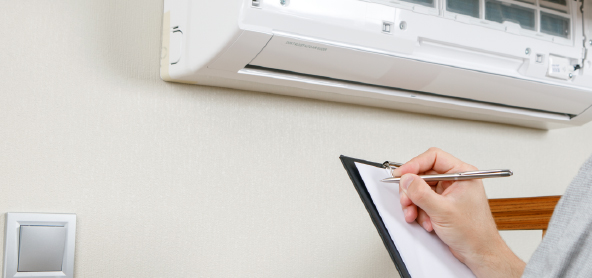
With the warm weather approaching, the use of air conditioning will also become a necessity for comfort in our homes. Homeowners typically focus on choosing the correct size air conditioning unit, but neglect the importance of the proper installation of the actual units. Both the size and installation of a unit have a massive impact on energy cost, performance, and longevity of the unit. If an air conditioning unit is not installed properly, this could result in higher monthly utility costs, uneven cooling, and frequent repairs. To prepare for the summer and to avoid making mistakes during your installation and to ensure that your air conditioning unit performs at its peak, please utilize this air conditioning installation checklist.
Choose the Right AC Size for Your Home
Conversely, choosing an undersized air conditioning unit will make it nearly impossible to maintain comfortable temperatures on the hottest days of the summer months.
Before installing your air conditioning unit, you should calculate how much cooling capacity you will need in your home, taking into consideration room size, insulation, ceiling height, number of windows, and climate conditions. An HVAC technician can perform load calculations to give you the proper tonnage based on your calculations. Selecting the correct size air conditioner will provide proper cooling, reduce wear and tear on your air conditioner, and minimize your monthly utility bills.
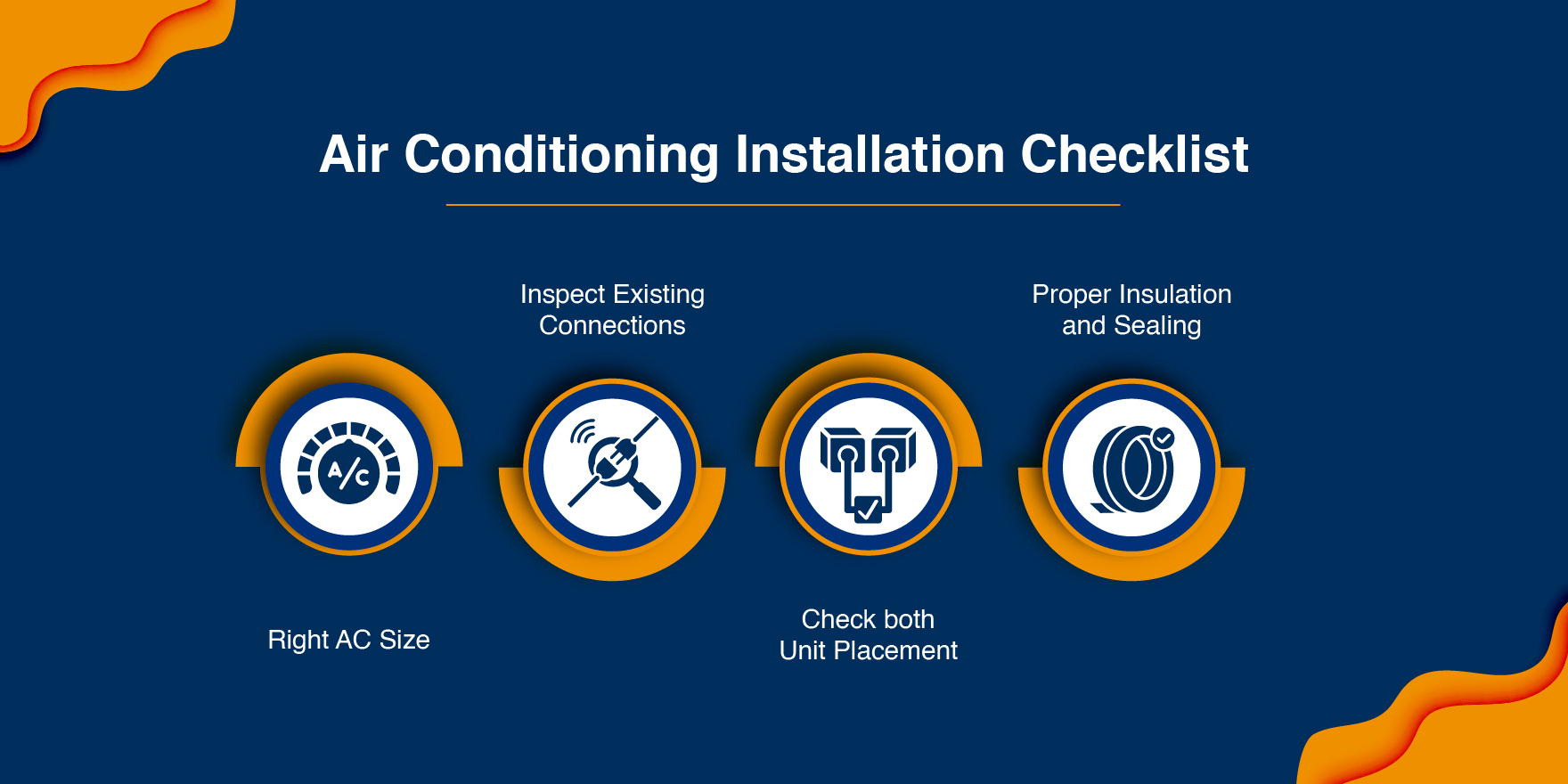
Inspect Existing Electrical Connections
To properly function, air conditioners need a steady supply of energy in order to be used safely. Homeowners need to verify that their existing electric systems can support the required amount of energy necessary to run a new unit. Homes that were built many years ago may need to have their wires replaced, have the circuit breakers that supply power to them changed, due to a lack of new wiring capable of handling electricity, or have new voltages installed before an air conditioner can be installed.
Bad/Worn-out electrical connections to the units can create the potential for fluctuation in electricity, like a power outage, which can prevent the systems from functioning. Having a qualified electrical technician take a look at how the wires are set up and how much power capacity is in the panel, prior to the air conditioning installation, will help ensure that the unit will work properly throughout the summer months.
Check Indoor and Outdoor Unit Placement
Indoor units should be installed as close as possible to where the air needs to be cooled, with plenty of air movement around the unit. If the unit is installed in the wrong location or is obstructed by furniture or curtains, uneven cooling and inadequate air circulation could result.
Outdoors, when selecting a location for the outdoor condenser, select a location that receives shade, has good air movement, is out of direct sun, is not near debris piles, and is not close to a heavy foot traffic area. In addition, the area surrounding the unit must have sufficient clearance so that there is enough air movement and heat loss to allow it to operate properly. Finding the correct location for both the indoor and outdoor units will create greater efficiency and prolong the life of your air conditioning system.
Ensure Proper Insulation and Sealing
For an air conditioning unit to operate optimally, an inspection of the home’s windows, doors, attic space, and the air ducts leading from the furnace must be done before installation. If any gaps are found, this allows heat into the house, which would require the air conditioner to work harder using more energy.
Having proper insulation installed will help provide equal temperatures throughout the house and make the home more energy efficient; sealing leaks and upgrading insulation before the start of the summer cooling season will allow the new air conditioner to operate more effectively than it would have without the proper installation preparation.
Why It Matters?
Successful AC installation requires more than just installing an AC unit in the house; choosing the right size of air conditioner, checking insulation, electrical systems, drainage systems, and ductwork will make sure that each step contributes positively to how well the house will be cooled throughout the summer months. Preparing for ongoing maintenance immediately after installation can save homeowners from expensive repairs in the future. With proper planning and professional installation, the air conditioning unit can provide greater comfort, efficiency, and reduce future maintenance issues. The following complete checklist will help ensure a lower cost, cleaner, and safer way to enjoy the air conditioner all summer long.

Ready to Enhance Your Comfort?
Contact our experts today to discover tailored HVAC solutions that fit your needs perfectly.

